Salmon Oil for Dogs: Skin, Coat, and Everyday Wellness

A dry, dull, or flaky coat is one of the most visible signs dog owners notice — and salmon oil is usually the first thing recommended, by breeders, groomers, and vets alike. This guide covers what wild Alaskan salmon oil actually is, why it's tied so consistently to skin and coat wellness, and what to check before buying a salmon oil supplement in Nigeria.
What makes salmon oil different from other oils
Wild Alaskan salmon oil is valued in dog nutrition primarily as a source of omega fatty acids, included as part of a broader nutritional formula rather than sold as a treatment on its own. What sets it apart from generic "fish oil" is sourcing and consistency — wild-caught salmon oil tends to have a more reliable and well-documented nutritional profile than blended or unspecified fish oil.
Wild-caught vs. farmed sourcing
"Wild Alaskan" on a label is a specific sourcing claim, distinct from farmed or unspecified fish oil blends. Specificity here matters because it's a more verifiable claim than a generic "omega-3 oil" listing, which could be sourced from almost anywhere and blended from multiple species.
Beyond skin and coat: other reasons it comes up
While skin and coat wellness is the most commonly discussed reason for salmon oil, omega fatty acids are also frequently included as part of general daily nutritional formulas more broadly — not because salmon oil "does" more than the label claims, but because omega content is considered a useful part of rounding out daily nutrition generally, alongside its more visible skin and coat association.
Why it's tied to skin and coat wellness
Skin and coat condition is one of the more visible indicators of a dog's overall nutritional status. Nutritional formulas built around salmon oil are commonly paired with antioxidant nutrients, since the two categories are frequently included together in formulas aimed at overall skin and coat wellness.
It's worth being precise about the claim here: salmon oil is included to contribute to skin and coat wellness as part of a nutritional formula — it isn't a treatment for skin conditions, allergies, or diagnosed dermatological issues, which should go through a veterinarian.
Omega-3 and the idea of balance
Salmon oil is valued primarily for its omega-3 content, and omega-3 is often discussed alongside omega-6 — another type of fatty acid found much more commonly in everyday diets, including many commercial dog foods. The general nutritional framing is one of balance rather than simply "more omega-3 is always better": a diet already reasonably balanced benefits differently from added omega-3 than one that's heavily skewed toward omega-6 sources. This is background context for understanding why salmon oil gets recommended so often rather than a reason to dose beyond what a product's serving instructions specify.
What to check before buying
- Source specificity. "Wild Alaskan salmon oil" is a more specific and generally more consistent claim than an unspecified "fish oil" or "omega blend."
- Amount per serving, listed in milligrams — not just its presence on the ingredient list.
- Storage. Oils are sensitive to heat and light; check that the product is stored and shipped appropriately, especially relevant in Nigeria's climate.
- What it's paired with. Antioxidant nutrients alongside salmon oil is a common and sensible combination in skin and coat formulas.
Liquid, capsule, or built into a chew?
Salmon oil is sold in a few common formats: a standalone liquid you pump onto food, capsules, or built into a multi-benefit chew alongside other ingredients. Liquid formats can offer more dosing flexibility but are more exposed to oxidation once opened. Capsules are more shelf-stable but add a separate item to a dosing routine. A soft chew that includes salmon oil alongside other daily ingredients avoids the extra step, though it's worth confirming the actual milligram amount is comparable to what a standalone product would provide.
What a change in coat quality can (and can't) tell you
Coat condition is a genuinely useful general wellness indicator, but it's also affected by things unrelated to nutrition — grooming frequency, weather, underlying skin conditions, and breed-typical shedding cycles all play a role. That's worth keeping in mind before attributing a coat change entirely to diet. Nutritional support like salmon oil is one contributing factor among several, not a guaranteed fix for every coat concern, and a sudden or severe change in coat or skin condition is worth a veterinary visit regardless of what supplement routine is already in place.
Where it fits in PrimoScience K9
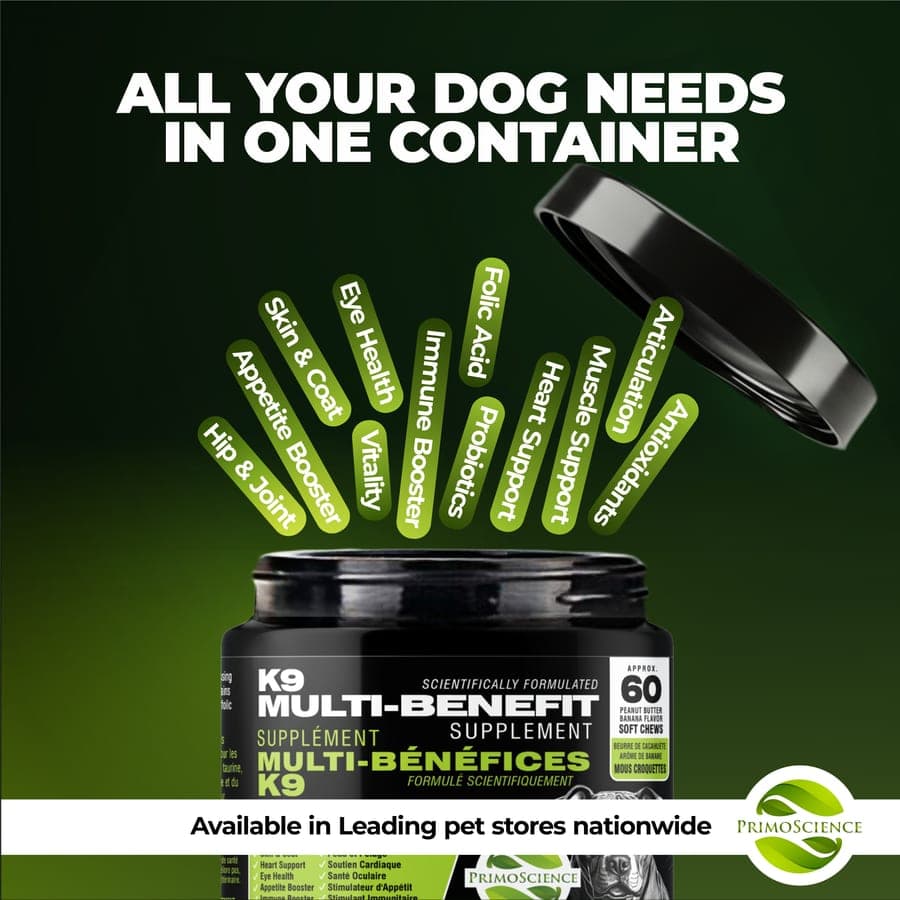
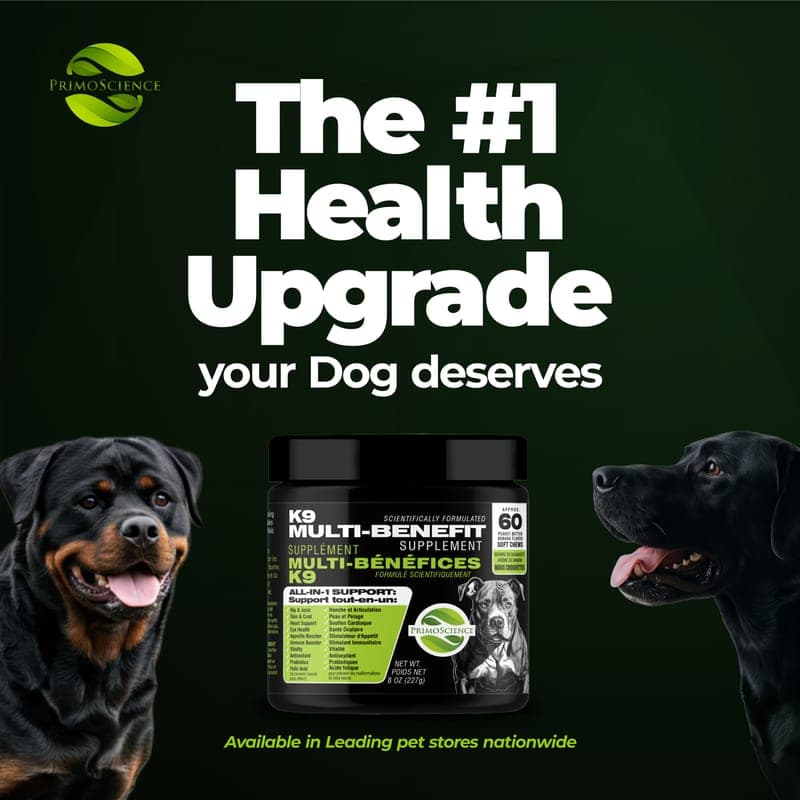
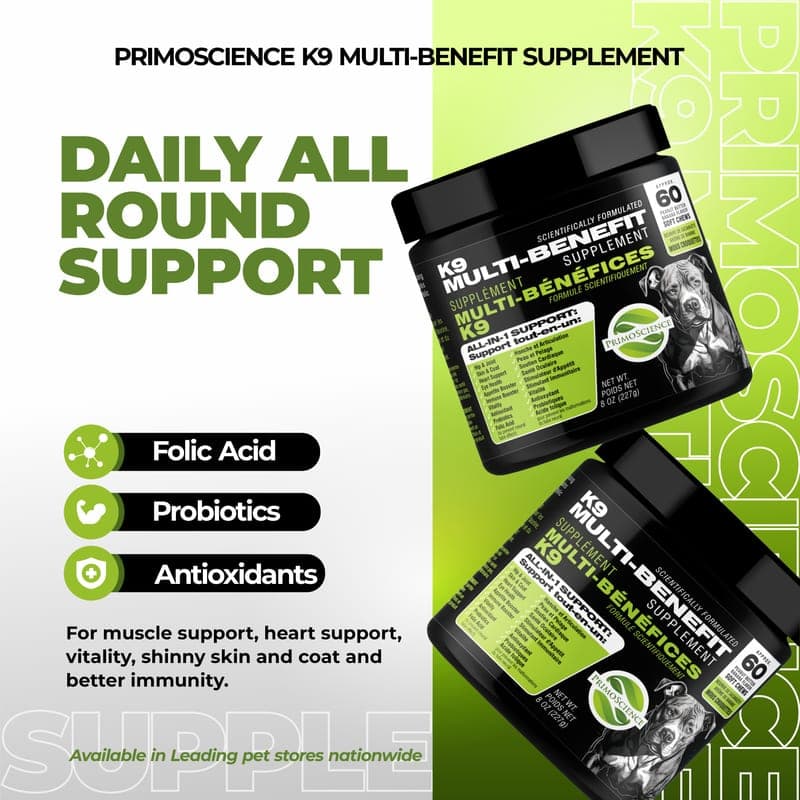
PrimoScience K9 Multi-Benefit Supplement includes wild Alaskan salmon oil (100mg per soft chew) as part of the skin and coat wellness system, alongside antioxidant nutrients like vitamin C and vitamin E — see the full product facts panel for exact amounts. It's formulated in the same daily chew as joint-support and digestive-support ingredients, so skin and coat isn't a separate product to remember.
If your dog has a persistent skin issue, excessive shedding outside of normal seasonal patterns, or visible irritation, that's worth a veterinary visit — nutritional support works alongside proper veterinary care, not instead of it.
Curious about the rest of the formula? See the full multi-benefit ingredient breakdown.
Frequently asked questions
Salmon oil is broadly well tolerated as a nutritional ingredient, but individual sensitivities vary, and any dog with a known fish allergy or existing health condition should only start a salmon oil supplement after checking with a veterinarian.
Oils are calorie-dense, so it's worth being mindful of total daily calories if your dog is on a strict weight management plan, and dosing according to the product's serving instructions rather than adding extra 'for good measure.'
Generic 'fish oil' can be a blend of unspecified species sourced inconsistently, while wild Alaskan salmon oil is a more specific claim about sourcing. Specificity on a label is generally a more reliable signal of quality than a vague 'omega blend' listing.
It's better to use a product formulated and dosed specifically for dogs. Human supplements aren't dosed for a dog's body weight and may include other ingredients not intended for pets.
Oils are sensitive to heat and light, so store in a cool, dry place away from direct sun, and check that a product hasn't been sitting in poor storage or transit conditions for an extended period before it reached you — particularly relevant in Nigeria's climate.
Ready to support your dog's daily wellness?
PrimoScience K9 Multi-Benefit Supplement — one daily chew for joints, digestion, skin & coat, and everyday nutrition.